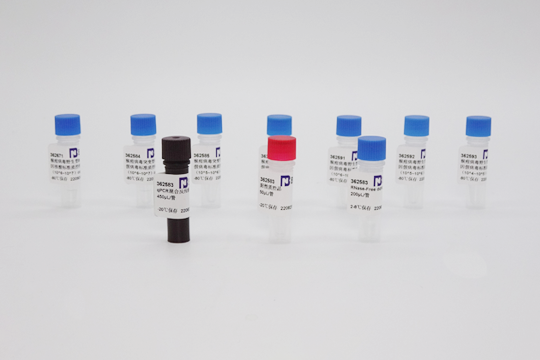
BNCC Nucleic Acid Quality Control Solutions for *Rickettsia* and Related Pathogens
Published:2026-10-09 11:07
Editor:BNCC
Fever, rash, eschar, thrombocytopenia, history of tick bites... underlying these clinical presentations could be infections caused by *Ehrlichia chaffeensis*, *Anaplasma phagocytophilum*, *Coxiella burnetii* (Q fever), *Orientia tsutsugamushi* (scrub typhus), *Rickettsia typhi* (murine typhus), or members of the spotted fever group (SFG) *Rickettsia*. As surveillance expands for tick-, rodent-, and mite-borne infectious diseases, an increasing number of laboratories are incorporating these pathogens into their nucleic acid testing panels.
However, this expansion raises a critical question:
Have quality control materials kept pace with the expanded testing menus?
Most of these pathogens are obligate intracellular organisms or are difficult to culture, and they often present a long serological window period; consequently, PCR has become a vital tool for early diagnosis and surveillance. Yet, challenges such as low viral/bacterial loads, nucleic acid extraction inhibition, aerosol contamination, and non-specific primer amplification can all lead to false-negative or false-positive results. Without reliable quality control materials, every test report lacks a necessary "benchmark."
Why is the use of quality control materials essential for testing these six types of pathogens?
·*Ehrlichia chaffeensis*: Causes human monocytic ehrlichiosis; tick-borne; early symptoms are non-specific.
·*Anaplasma phagocytophilum*: Causes human granulocytic anaplasmosis; presents with fever and leukopenia/thrombocytopenia; easily confused with other tick-borne diseases.
·*Coxiella burnetii*: Causes Q fever; transmitted via aerosols and animal contact; poses a high risk of laboratory-acquired infection.
·*Orientia tsutsugamushi*: Causes scrub typhus; characterized by eschar, lymphadenopathy, and fever; a key target for surveillance in southern regions.
·*Rickettsia typhi*: Causes endemic typhus (murine typhus); transmitted by rat fleas.
· *Spotted Fever Group (SFG) Rickettsia*: Causes spotted fever-like illnesses; comprises numerous species with a wide geographical distribution.
Nucleic acid testing for these pathogens often faces three key quality control challenges:
1. Low Viral/Bacterial Load: Early-stage samples often contain low concentrations of pathogen nucleic acid, posing a high risk of false-negative results.
2. Cross-Contamination: Contamination from aerosols or amplification products can easily lead to false-positive results.
3. Batch-to-Batch Variation: Results must remain comparable across different reagent batches, extraction methods, and testing platforms.
BNCC Product Portfolio: Precise coverage of 6 major core pathogens
| Product No. |
Product Name |
Specifications |
| BNCC397399 |
*Ehrlichia chaffeensis* (16S rRNA gene) nucleic acid quality control material |
10^7~10^8copies/mL |
| BNCC397037 |
*Coxiella burnetii* (Q fever rickettsia) (IS1111 gene) nucleic acid quality control material |
10^7~10^8copies/mL |
| BNCC397414 |
*Rickettsia mooseri* (OmpB/17kDa/gltA genes) nucleic acid quality control material |
10^7~10^8copies/mL |
| BNCC399425 |
Spotted fever group *Rickettsia* (ompA gene) nucleic acid quality control material |
10^7~10^8copies/mL |
| BNCC397077 |
*Anaplasma phagocytophilum* (16S rRNA gene) nucleic acid quality control material |
10^7~10^8copies/mL |
Product Advantages:
1. Comprehensive Coverage: A single product series covering 6 major core pathogens
Covers *Rickettsia*, *Orientia*, *Coxiella*, *Ehrlichia*, *Anaplasma*, and the Spotted Fever Group; suitable for CDC surveillance, hospital differential diagnosis, and third-party testing menus.
2. Reliable Value Assignment: Absolute quantification via digital PCR
Utilizes digital PCR for value assignment, ensuring accurate target values and controllable batch-to-batch CV; available in high and low concentration levels to meet various limit-of-detection (LOD) verification needs.
3. Flexible Customization
Customizable options for species- or group-specific targets, concentration levels, and packaging specifications; supports the creation of reference panels for reagent manufacturers and external quality assessment (EQA) programs.
4. Ready-to-Use Design
Simple to use, minimizing errors associated with manual preparation; ideal for routine quality control in high-throughput testing laboratories.

 - English
 - Japanese

 info@bncc.com